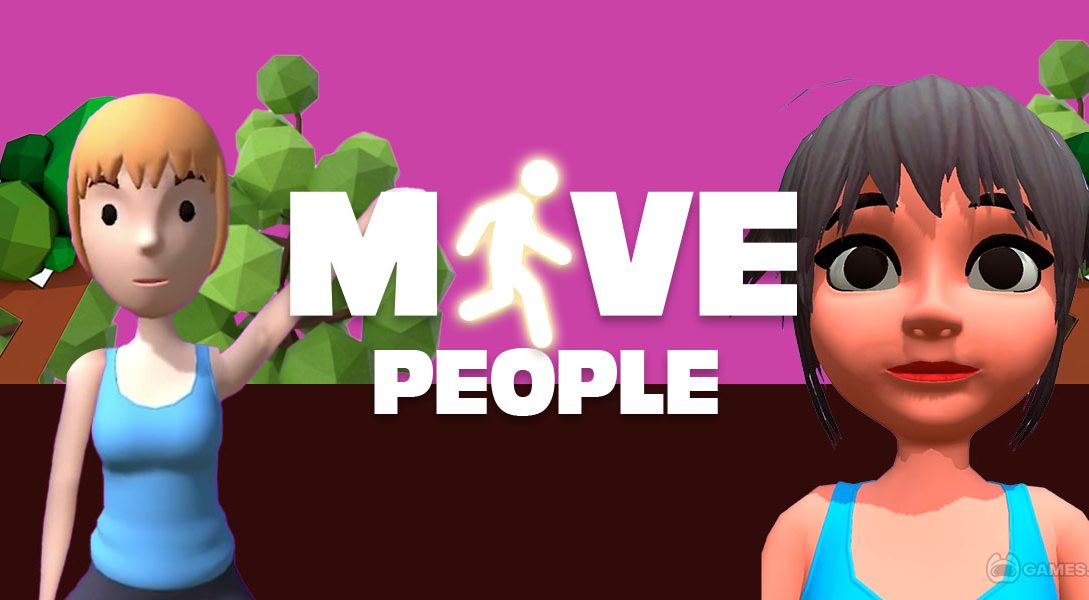
A recent post on social media platform has drawn public attention to a mobile game titled “Move People”, exposing a serious gap in how digital content for children is regulated and monitored. The game, available on both iOS and Android and classified for users aged 12 and above, contains gameplay that encourages sexually suggestive interactions between male and female characters.
The disclosure came from a mother, Anna Talita Nafrizon, who shared her shock after discovering her child playing the game. The video excerpts she posted show characters being manipulated to achieve intimate physical contact in order to score points.
While presented as a casual puzzle game, the underlying mechanics clearly promote behaviour that is inappropriate for children. Such exposure at a young age is harmful.
Child development experts have long warned that premature exposure to sexualised content can negatively affect emotional development, distort values and normalise behaviour that children are not mature enough to understand. When these elements are embedded in games and rewarded through scoring systems, the risk of desensitisation and behavioural influence becomes even greater.
This incident raises serious questions about the effectiveness of current age rating systems and the level of scrutiny applied by digital platforms. Games carrying inappropriate content should not be easily accessible to children through mainstream app stores. While parental supervision remains important, responsibility cannot rest on families alone when content distribution is controlled by powerful global platforms.
The issue is part of a wider and increasingly urgent discussion on child online safety and platform accountability. Harmful digital content today often appears in subtle and gamified forms that evade traditional filters and parental awareness. This makes effective age based restrictions and stronger platform responsibility not just desirable but necessary.
In this context, the government’s efforts to strengthen laws and policies aimed at protecting children online must be understood as a response to real and evolving risks. Safeguarding minors in the digital space is not about limiting freedom but about ensuring that children are not exposed to content that can harm their development and well being.
The case of “Move People” should serve as a reminder that child online safety requires collective responsibility. Platforms must enforce stricter content controls, developers must act ethically, and regulators must continue to strengthen protective frameworks. In an era where digital exposure begins early, protecting children is no longer optional. It is essential.
Good argument on paper. Easier said than done though!
When you don’t do anything people complain.
When you try to do something, people also complain.
If everyone who complained did something, we would have a better Malaysia!
Bahaya game2 mcm ni
Laksanakan eKYC tu